No Cream of Mushroom? No Problem: The Casserole Cook's Guide to Smart Ingredient Swaps

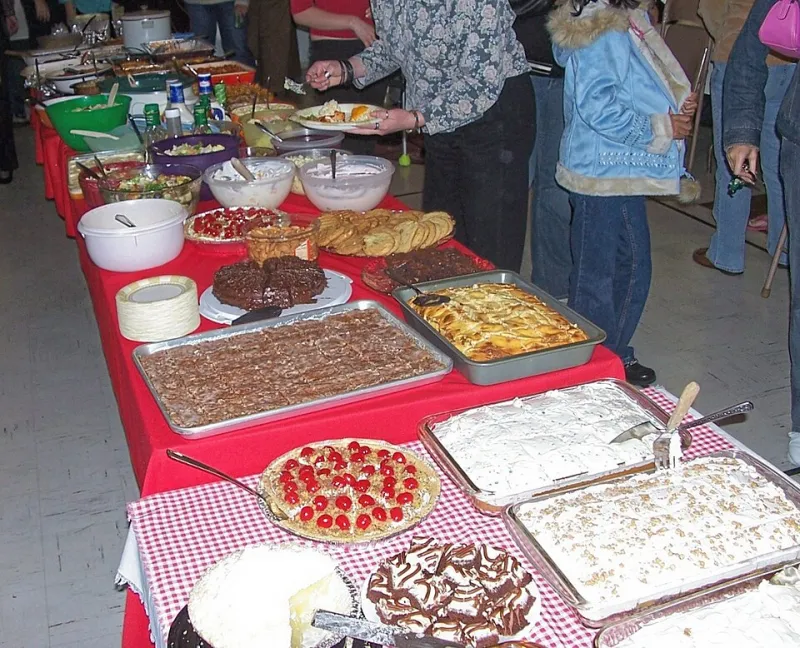
Photo by Photo by Denise Johnson on Unsplash on Unsplash
It happens to every home cook. You've got the dish in one hand, the recipe in the other, and you're staring into a cabinet that's missing exactly one thing you need. Maybe the store was out of it. Maybe your budget says no this week. Maybe someone at the table just found out they can't do dairy anymore. Whatever the reason, the casserole doesn't have to suffer.
The beauty of a casserole — and honestly, one of the big reasons we're so obsessed with them here — is that they're forgiving. Unlike a soufflé that collapses if you look at it wrong, a casserole can take a punch. With a little understanding of why each ingredient is there in the first place, you can swap confidently without losing the heart of the dish.
Let's break it down by category.
The Condensed Soup Situation
Cream of mushroom, cream of chicken, cream of celery — these little cans are the backbone of probably half the casserole recipes in America. They add creaminess, salt, and a savory depth all at once. So what do you do when the pantry comes up empty?
Make a quick béchamel. A simple white sauce — butter, flour, milk — takes about five minutes and replaces condensed soup almost one-for-one. For one can of soup, melt 3 tablespoons of butter, whisk in 3 tablespoons of flour, then slowly add 1½ cups of milk. Season it well with salt, pepper, and garlic powder. Want mushroom flavor? Throw in some sautéed mushrooms. Want it more savory? Add a splash of Worcestershire.
Use sour cream or plain Greek yogurt. These work especially well in chicken-based casseroles. They add tang and creaminess without the canned taste. Use about ¾ cup in place of one can. Just know they're a bit thinner, so your casserole might be slightly looser — not a dealbreaker, just something to expect.
Try cream cheese. Soften it first, then thin it with a little broth. It makes the whole dish richer and denser, which some people actually prefer. It's especially good in pasta bakes.
One thing to keep in mind: condensed soups are salty. If you're subbing in something more neutral, taste as you go and season accordingly.
Cheese Swaps That Actually Work
Cheese is where things get personal. Some families are die-hard cheddar households. Others grew up on Velveeta (no judgment — it melts like a dream). And now there are dairy-free folks at the table who still want to enjoy the dish.
Cheddar to Colby or Monterey Jack. These melt similarly and have a mild flavor that won't fight with the other ingredients. Colby is slightly sweeter, Monterey Jack is creamier. Both are solid, budget-friendly swaps.
Velveeta to American cheese slices. Hear us out. American cheese melts just as smoothly and has that same processed-cheese creaminess that makes tuna noodle casserole so satisfying. Tear up the slices and layer them in — it works.
For dairy-free needs. Shredded dairy-free cheese has come a long way, but it still doesn't melt quite the same. Your best bet is to mix it with a tablespoon or two of dairy-free cream cheese to help it get gooey. Nutritional yeast is also your friend here — stir a couple tablespoons into the sauce base for a savory, cheesy flavor without any actual cheese.
For strong cheese (like Gruyère). If a recipe calls for something fancy and you're not trying to spend $12 on a block of cheese, sharp white cheddar is a reliable stand-in. It's sharper and less nutty, but it'll get the job done in a baked dish.
Protein Substitutions Without Losing the Plot
Maybe you've got chicken thighs but the recipe calls for breasts. Maybe you're trying to stretch a smaller amount of meat further. Maybe someone's vegetarian now. Proteins are actually one of the easiest things to swap in a casserole, because everything gets baked together and the sauce does a lot of the heavy lifting.
Chicken breasts vs. thighs. Thighs are fattier and more forgiving — they won't dry out as easily during a long bake. Breasts are leaner and can get rubbery if overcooked. If you're swapping breasts for thighs, you might actually end up with a juicier result.
Ground beef to ground turkey. This is one of the most common swaps in casserole cooking, and it works well. Turkey is leaner, so the dish might be a little less rich. Add a bit more seasoning and maybe a splash of olive oil to compensate.
Going meatless. White beans, lentils, and chickpeas are all excellent protein swaps in casseroles. They absorb flavor well and add a hearty texture. Canned options make it easy — just drain and rinse. A 15-ounce can of white beans is roughly equivalent to 1 cup of cooked chicken in terms of bulk and satiety.
Canned tuna or salmon. In any recipe that calls for cooked, flaked protein, canned fish is a budget-friendly hero. It's already cooked, it's cheap, and it plays well with creamy sauces. Classic tuna noodle casserole exists for a reason.
Starch and Binder Swaps
Noodles, rice, potatoes — the starchy base is what makes a casserole filling. And these are often the easiest things to swap around.
Egg noodles to rotini or penne. Most pasta shapes work in casseroles. Shorter, chunkier pasta holds up better to baking than long noodles. Just make sure you cook it slightly less than al dente before it goes in the dish — it'll finish cooking in the oven.
White rice to brown rice. Brown rice takes longer to cook, so if you're substituting it uncooked, you'll need to either par-cook it first or add extra liquid and baking time. Cooked brown rice swaps in directly with no changes needed.
For gluten-free needs. Gluten-free pasta and rice-based dishes work well in casseroles. If the recipe uses flour as a thickener, cornstarch is a reliable swap — use half the amount (1 tablespoon cornstarch for every 2 tablespoons of flour).
The Topping Question
That crunchy top layer is non-negotiable for a lot of casserole lovers. But breadcrumbs aren't always on hand, and crushed crackers aren't always the right fit.
French fried onions (yes, the Thanksgiving staple) are a great topping for anything savory and creamy. Crushed Ritz crackers add a buttery richness. Panko is lighter and crispier than regular breadcrumbs. Even crushed potato chips work in a pinch — they add salt and crunch, and they brown nicely.
For gluten-free toppings, crushed rice crackers or certified GF breadcrumbs do the job. Toasted rolled oats also work in some sweeter or milder dishes.
Trust the Dish
Here's the thing about casseroles — they were never meant to be precious. They were invented by people who needed to feed a family, use what was in the house, and get something on the table. The whole genre is built on improvisation.
So the next time you're mid-recipe and come up short, don't panic. Think about what that ingredient is doing in the dish — adding fat, binding things together, adding salt, building texture — and find something that does the same job. You might not replicate the original exactly, but you'll still end up with something warm, filling, and made with care.
And honestly? Sometimes the swap turns out to be the version your family likes better.